
Cost Effective Door Frame Repair Solutions for Facilities
Table of Contents
- Why Repairing Beats Replacing: The True Cost of Door Frame Replacement
- Step 1: Assess the Damage to Your Door Frame
- Step 2: Choose the Right Door Frame Repair Kit
- Step 3: Prepare the Damaged Area
- Step 4: Install the Repair Kit in Three Simple Steps
- When Full Frame Replacement Is the Better Option
- Conclusion: Protect Your Budget and Your Building
- Frequently Asked Questions
Last Updated: September 7, 2026
When a steel door frame begins to show rust or corrosion at the base, facility managers face an expensive decision. The cost effective door frame repair solutions outlined in this guide from Door Innovation address the root cause of deterioration without the disruption of a full tear-out.
That assumption is costly. A full replacement requires demolition, new material procurement, and coordination with multiple trades. In practice, the damage is often localized to the bottom few inches of the jamb where moisture collects. Door frame repair using a mechanical patch system restores the opening to full function in under an hour, preserving the original frame and avoiding construction debris entirely.
Below, we'll walk through a four-step assessment and repair process that determines when patching makes sense, which kit matches your damage profile, and where replacement remains the only responsible choice. The goal is simple: extend the life of your existing openings while keeping your facility secure and presentable.
Why Repairing Beats Replacing: The True Cost of Door Frame Replacement
The true cost of door frame replacement extends far beyond the invoice for new materials. Labor costs for demolition and reinstallation typically dwarf the price of the frame itself, and that is before accounting for downtime, disrupted traffic flow through the opening, and patching of surrounding masonry or drywall (osha.gov). When you factor in painting, priming, and disposal of the old unit, the expense multiplies quickly.
Repair kits offer a different economic picture. A targeted jamb patch costs a fraction of a new frame and installs with basic hand tools, eliminating labor costs for skilled demolition crews. The cost effective door frame repair solutions approach also reduces material expenses: you keep the existing frame, threshold plate, and surrounding wall finishes intact. For facilities managing multiple doors with rust issues, the cumulative savings become substantial.

Step 1: Assess the Damage to Your Door Frame
Accurate assessment is the single most important step in the repair process. A misdiagnosis leads to either an unnecessary replacement or a patch that fails within months. To move beyond guesswork, use the following diagnostic decision tree to classify the damage severity and select the appropriate repair path.
Diagnostic Decision Tree for Frame Damage
Start by identifying the frame material. Steel, aluminum, wood, and composite frames each fail in distinct ways, and the repair approach differs accordingly. The chart below walks you through the assessment from the first visual clue to the final repair decision.
Step 2: Choose the Right Door Frame Repair Kit
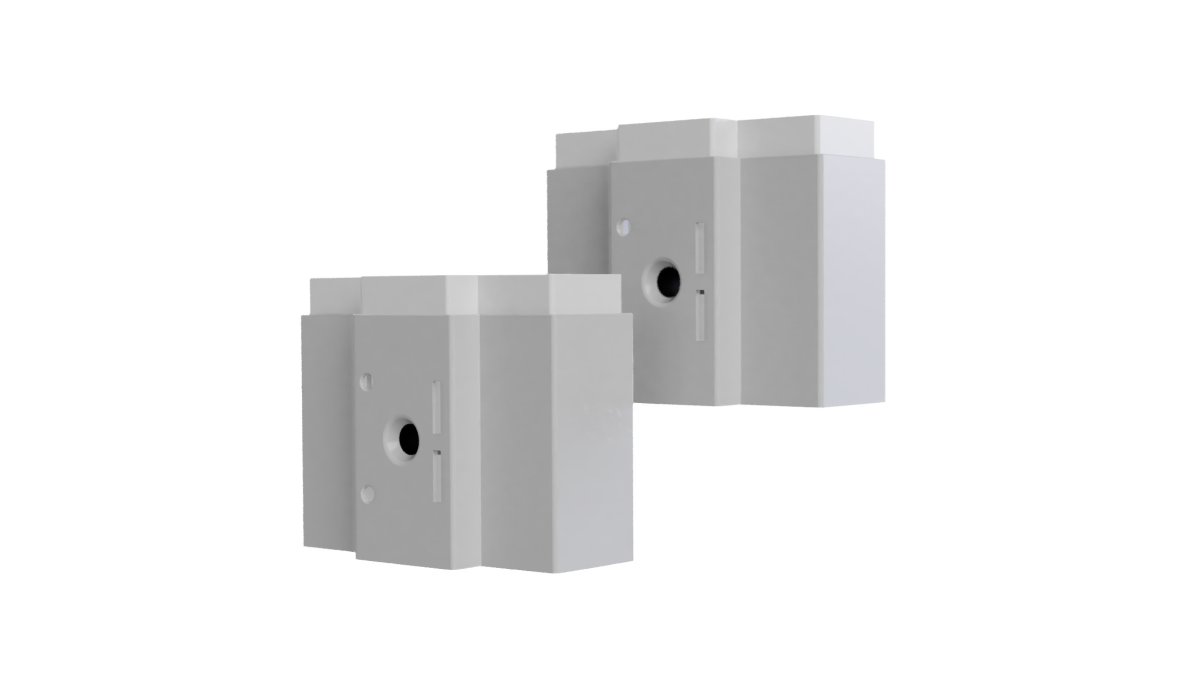
Door frame repair kits fall into two primary categories based on the frame material and the type of failure. Selecting the correct kit determines how well the repair holds over time and whether it addresses the underlying cause of the damage.
Jamb Patch for Rusted Steel Door Frame Repair
The Jamb Patch system is engineered for rusted steel door frames. The Jamb Patch Kit (4") at $130.37 handles early corrosion under 2 inches, while taller Strike Side Jamb Patch and Hinge Jamb Patch options at $180.91 each address more extensive damage. The patented design installs over the damaged section and mechanically fastens to sound metal above the corrosion.


Jamb Anchor for Loose Aluminum Frames
Aluminum frames fail differently. Rather than rusting, they come loose from the wall due to corrosion from salts, water, cleaning solutions, or repeated impacts from equipment. The Jamb Anchor Side Jamb Kit and Jamb Anchor Center Jamb Kit, each $119.00, firmly re-anchor the frame to the surrounding structure. These kits work on outboard side jambs and inboard center jambs respectively, restoring door alignment without removing the frame.
| Repair Scenario | Recommended Kit | Price | Best For |
|---|---|---|---|
| Early rust under 2 inches | Jamb Patch Kit (4") | $130.37 | First signs of corrosion |
| Rust over 2 inches, one side | Strike or Hinge Jamb Patch | $180.91 | Extensive single-side damage |
| Rust on both sides | Full Hinge Jamb Patch Kit | $320.00 | Complete frame restoration |
| Loose aluminum frame | Jamb Anchor Kit | $119.00 | Re-anchoring side or center jambs |
Step 3: Prepare the Damaged Area
Proper surface preparation separates a repair that lasts from one that fails within months. Start by removing loose rust and corrosion using a wire brush or angle grinder with a flap disc. The goal is not to remove all rust, but to expose sound metal that the patch can bite into. Vacuum away debris and wipe the area with a clean rag.
Check the door alignment before installation. If the door binds or fails to latch, the frame may have shifted. Use shims to level the frame and restore proper door alignment before securing the patch. This step matters most for facilities where safety and security are non-negotiable, such as healthcare environments. A door that does not latch properly compromises the security of the entire opening.
Step 4: Install the Repair Kit in Three Simple Steps
The installation process requires no special training. Any maintenance staff member can complete it in an afternoon, making these kits practical for facilities managing dozens of doors. The three-step process is consistent across all Jamb Patch and Jamb Anchor products:
- Position the patch over the damaged section, aligning it with the existing frame profile and hinge or strike locations.
- Secure the patch using the provided mechanical fasteners, driving them through the patch into the sound metal above the corrosion.
- Finish the repair by sanding any sharp edges, priming the bare metal, and painting to match the existing frame finish.
Door frame repair kits from Door Innovation include installation hardware and step-by-step instructions with each order. After installation, verify smooth door operation and confirm the latch engages properly. The repaired section should sit flush with the surrounding frame, providing a professional appearance that does not draw attention to the repair.
When Full Frame Replacement Is the Better Option
Repair kits are not a universal solution. Full frame replacement becomes necessary when the damage extends beyond the jamb into the surrounding wall structure, when the frame has pulled away from the masonry anchor points, or when the rust has compromised the frame's ability to support the door's weight. If probing reveals soft metal more than 6 inches up the frame, or if the frame sits loose in the opening, replacement is the responsible choice.
Similarly, frames that have been repaired multiple times may reach a point where additional patching becomes impractical. The International Code Council guidance on commercial door openings stresses that door openings in commercial facilities must maintain their fire rating and accessibility compliance. A frame damaged beyond repair compromises those requirements, creating a safety hazard that no patch can address.
For the majority of rusted steel and corroded aluminum frames, however, replacement remains an unnecessary expense. The cost effective door frame repair solutions presented here restore structural integrity, maintain door alignment, and extend the life of existing openings. When you compare the $130 to $320 investment in a repair kit against the material and labor costs of a full replacement, the financial case for repair is compelling.
Conclusion: Protect Your Budget and Your Building
Rusted steel and corroded aluminum frames do not automatically require replacement. Door frame repair using mechanical patch systems restores the opening to full function at a fraction of the cost, with minimal disruption to facility operations. The key is early assessment and prompt action before localized corrosion spreads.
Door Innovation's Jamb Patch and Jamb Anchor kits provide facility managers with a professional, cost effective alternative to full frame replacement. The three-step installation process requires no special training, and the patented designs are compatible with frames from major US manufacturers. For facilities managing multiple doors with rust issues, the savings compound across every opening restored. The Building Owners and Managers Association guidance on preventative maintenance recommends addressing corrosion early to prevent structural damage and extend asset life.
Order your repair kit today and give your maintenance team the tools to restore door openings in under an hour. For high-volume needs, ask about our Certified Installer program to simplify repairs across your entire facility.
Frequently Asked Questions
Is it cheaper to repair or replace a door frame?
Repairing is almost always the cheaper route. A full door frame replacement involves material costs, labor for demolition and installation, and potential downtime for your facility. With a repair kit like the Jamb Patch Kit at $130.37, you address the damaged section directly. Your maintenance team can install it without special training, avoiding contractor labor costs. For commercial buildings with multiple affected doors, the savings multiply quickly compared to replacing each entire frame.
Can a damaged door frame be repaired?
Yes, most damaged door frames can be repaired if the structural integrity of the frame remains intact above the damaged area. Surface rust, corrosion, and even sections with more than 2 inches of damage are candidates for repair. The Jamb Patch system is designed to splice in a new steel section, restoring the frame's strength and function. Full replacement is only necessary when damage extends up the entire frame or the surrounding wall structure is compromised.
What are the most common causes of door frame failure in commercial buildings?
In commercial settings, rusted steel door frame repair is typically needed due to moisture exposure at the base of the frame. This comes from floor washing, leaking roofs, or condensation. Corroded aluminum frames often result from salt exposure or cleaning solutions. Repeated impacts from carts and equipment also loosen frames over time. Regular inspection of the bottom 6 inches of your door frames helps catch these issues early, when a simple repair kit is still a cost-effective solution.
How much should it cost to repair a door frame?
The cost depends on the extent of the damage and whether you use in-house staff or a contractor. A DIY repair with a specialized kit ranges from $119 to $320 depending on the size and scope. For example, the Jamb Patch Kit costs $130.37 and covers early rust. If you hire a contractor, you add labor costs, but the material expense remains far below the cost of a full replacement frame. This makes repair the budget-friendly choice for facility managers.