
How to Fix a Rusted Commercial Door Frame in Place
Table of Contents
- Assessing Rust Damage Before You Commit to a Repair
- Steel Door Frame Repair vs Replacement: The Decision Tree
- Hollow Metal Door Frame Rust Repair: Prep and Patch in Place
- Choosing a Door Jamb Patch Kit for Your Frame
- Door Frame Anchor Repair for Loose and Pulled Jambs
- Priming, Painting, and Moisture Control That Stops Recurrence
- Code, Fire-Rating, and Egress Checks Before You Sign Off
- Frequently Asked Questions
Last Updated: October 18, 2026
Assessing Rust Damage Before You Commit to a Repair
The first step in fixing a rusted commercial door frame without tearing out the wall is deciding whether the frame can be saved at all. Most rusted commercial door frame problems start at the bottom of the jamb, where floor mopping, roof leaks, and slab moisture attack the steel. Look before you cut.
Here's the honest truth most guides skip. Surface rust is cosmetic. Rust-through is structural. The two demand completely different responses, and confusing them wastes money in either direction.
Surface Rust vs. Rust-Through at the Frame Base
Surface rust sits on top of the paint film. Scrape it with a putty knife. If you hit solid metal underneath, you have a repairable condition. Rust-through means the steel has perforated, usually within 2 to 6 inches of the floor line. Push a screwdriver into the suspect area. If it sinks through, the jamb has lost its section and needs a patch or replacement.
Checking for Out-of-Square Frames and Door Movement
A rusted frame that still swings cleanly is a patch candidate. A frame that has twisted, dropped, or pulled loose at the anchors is a different job. Open the door halfway and watch the reveal at the top. A widening gap on one side signals the hinge jamb has moved. Check the strike side too. If the latch no longer catches without lifting the door, the frame is out of square and simple patching won't fix alignment.

Steel Door Frame Repair vs Replacement: The Decision Tree
Steel door frame repair wins when the damage is localized to the bottom 24 inches, the wall is sound, and the frame is still plumb. Replacement wins when the failure is structural. But the real decision is not just how tall the rust is, it is whether the frame still performs its job. Use this severity-based sequence before ordering anything:
| Condition Found | Recommended Action | Why |
|---|---|---|
| Surface rust only, under 2" tall, metal solid under a putty knife | Sand, prime, and repaint | Metal is intact; coating failure is the issue |
| Rust-through under 2" at the base, frame plumb, door latches cleanly | 4" Jamb Patch Kit | Early-stage repair, non-handed, simple install |
| Rust-through over 2" at the base, one jamb affected | Strike or Hinge Jamb Patch | Covers the full failed section without wall demolition |
| Both jambs rusted through, frame still plumb | Left or Right Hand Hinge Jamb Patch Kit | Repairs hinge and strike sides together |
| Frame twisted, anchors pulled, or surrounding wall damaged | Full frame replacement | Patching cannot restore alignment or anchorage |
| Fire-rated label present and repair would alter the frame section | Stop and consult the authority having jurisdiction | Field modifications can void the label |
If you can cover the damage with a patch and the door still latches cleanly, repair it. If the opening has lost its geometry, stop and plan a replacement. If the frame is fire-rated, confirm the repair method is permitted before you cut.
The In-Place Repair Path Most Guides Skip
The query asks how to fix a rusted commercial door frame without tearing out the whole wall, and that is exactly where a severity triage pays off. Localized perforation at the base, the most common commercial failure, can often be repaired in place with a jamb patch kit that covers the failed section and restores the hinge or strike mounting surface. The wall stays intact, the frame stays anchored, and downtime is measured in hours rather than days. The trade-off is that in-place patching only works when the frame is still plumb and the anchors are sound; if the jamb moves when you push it, patch the anchor condition first or replace the frame.
Hollow Metal Door Frame Rust Repair: Prep and Patch in Place
Hollow metal door frame rust repair follows a fixed sequence: remove loose rust, treat the bare steel, install the patch, then seal it. Skipping any step shortens the repair's life. Prep is where most in-house jobs fail.
Removing Loose Rust and Sanding the Corroded Area
Wire-brush the corroded area down to bare metal, then follow with 80-grit sandpaper to feather the edges. According to OSHA's welding, cutting, and brazing guidance, airborne metal dust and fumes require proper ventilation and respiratory protection during prep work, so mask up and ventilate the hallway before you start grinding.
For light pitting, a metal-filled body filler smooths the surface before priming. For deep pits, epoxy patching compound gives a harder, longer-lasting fill.
Choosing a Door Jamb Patch Kit for Your Frame
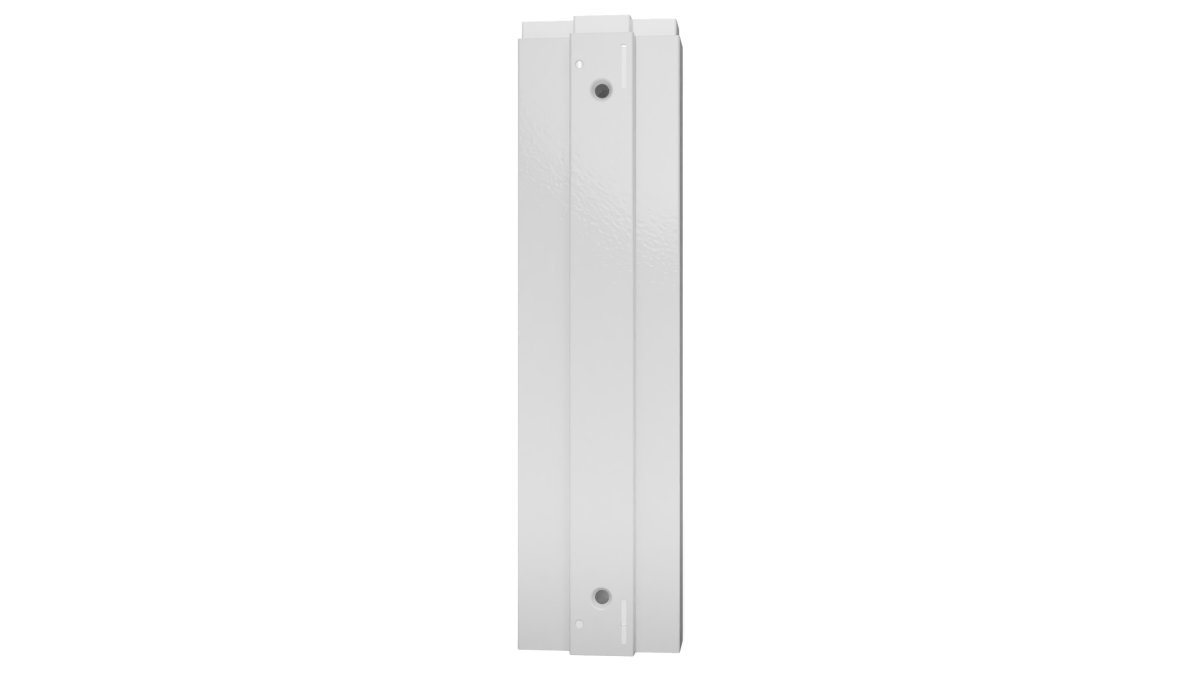
A door jamb patch kit restores the failed section of a steel frame without removing the frame from the wall. Match the kit to the damage height and the side of the opening. Our Jamb Patch line covers the range:

- Jamb Patch Kit (4") at $130.37: two 4-inch non-handed patches for the first sign of rust on either jamb.
- Strike Side Jamb Patch at $180.91: a 21-5/8-inch non-handed patch for strike-side rust over 2 inches.
- Left Hand Hinge Jamb Patch and Right Hand Hinge Jamb Patch at $180.91 each: hinge-side patches with a 4-1/2-inch commercial hinge pocket.
- Left Hand and Right Hand Hinge Jamb Patch Kits at $320.00: hinge and strike patches bundled for frames rusted on both sides.
All Jamb Patch products are protected by US Patent# 9,284,739 and fit masonry frames from manufacturers including Steelcraft, Ceco, Curries, and Republic. Not sure which kit fits? The free Jamb Patch - Jamb Anchor Catalogue lists specifications for every product.

Door Frame Anchor Repair for Loose and Pulled Jambs
Door frame anchor repair addresses a separate failure: the frame has pulled away from the wall, usually because the masonry anchors have corroded or the surrounding block has crumbled. A rusted frame that moves when you push it needs anchor attention before any cosmetic patch. Re-tighten existing anchors first. If the anchor spins or the hole has enlarged, install oversized anchors or through-bolts into sound masonry. Patch the jamb only after the frame is rigid again. Patching a loose frame hides the movement and accelerates the failure.
The American Welding Society's structural repair guidance is a useful reference for evaluating whether pitted steel still carries its load.
Priming, Painting, and Moisture Control That Stops Recurrence
Priming and painting decide whether the repair lasts five years or five months. Apply a rust-inhibiting primer to all bare steel, then topcoat with an anti-rust paint rated for exterior or wet environments. Two coats beat one every time.
Moisture control matters more than the coating. Find the water source. Common culprits: mop water pooling at the jamb base, clogged door sweeps, roof leaks tracking down the wall cavity, and missing thresholds. Fix the drainage, install a proper threshold and sweep, and the rust stops coming back.
Code, Fire-Rating, and Egress Checks Before You Sign Off
Any repair on a commercial door opening must preserve the assembly's fire rating and egress performance. Fire-rated frames carry a label, often a metal plate on the hinge jamb or a sticker on the frame, and field modifications can void it. Before you patch a labeled frame, check with the local authority having jurisdiction (AHJ). NFPA 80, the Standard for Fire Doors and Other Opening Protectives governs field repairs to fire-rated door assemblies and sets what is allowed: typically, repairs that do not cut, weld, or alter the frame section may be permitted, while repairs that change the frame profile or hinge location usually require a listed modification or replacement.
Egress is equally non-negotiable. After the repair, confirm the door swings freely, latches securely, and closes against the stop without binding. Measure the clear opening width with the door open 90 degrees, most commercial egress doors need at least 32 inches of clear width, though the exact requirement depends on occupancy and local code.
In healthcare and retirement facilities, a door that drags or fails to latch is a safety and security problem, not a cosmetic one. Test the hardware, check the reveal, and document the repair with photos and a note of the materials used. If the frame is fire-rated and the repair involved cutting or patching a labeled section, keep the manufacturer's instructions and any AHJ approval on file.
Frequently Asked Questions
Can a rusted-out steel door frame be repaired without removing the wall?
Yes, when the rust is localized to the bottom of the jamb and the wall opening is still square. In-place repair means cutting out the loose rusted area, treating the exposed steel, and covering the damage with a Jamb Patch that bolts over the existing frame. The Strike Side Jamb Patch and Hinge Jamb Patch are 21-5/8 inches tall and are used when more than 2 inches of rust is evident at the bottom of the frame. If the frame is twisted, out of square, or rusted through behind the wall, replacement is the safer call.
What is in a door jamb patch kit and do I need special training to install it?
A door jamb patch kit ships with the patch itself, installation hardware, and written instructions. The 4-inch Jamb Patch Kit includes two non-handed 4-inch patches and is meant for the first sign of frame rust or corrosion. Larger hinge and strike patches cover deeper damage. Installation is a three-step process: prep the surface, position the patch, and fasten it with the supplied hardware. Most maintenance staff can complete a single jamb in an afternoon with hand tools and a drill.
When should a rusted commercial door frame be replaced instead of repaired?
Replace the frame when rust has eaten through the jamb behind the drywall return, when the frame is twisted or out of square enough that the door will not latch, or when the wall opening itself has moved. Repair is the better option when damage is confined to the lower 21-5/8 inches of the jamb and the door still closes cleanly. Fire-rated openings add a step: any repair must preserve the rating, so check the label and confirm the patch method is acceptable before you start.
How do I stop rust from coming back after a door frame repair?
Find the moisture source first. Most commercial frame rust starts at the base because of slab moisture, roof leaks, irrigation spray, or missing thresholds and sweep gaskets. Fix the water path, then coat the repaired area with a rust-inhibiting primer and an anti-rust paint. Keep the bottom of the frame dry, re-caulk the threshold, and add a door sweep if water is splashing the jamb. A patch over wet steel will fail, so drying the area out is the step that decides whether the repair lasts.
Do door frame anchor repairs fix a jamb that is pulling away from the wall?
Anchor repair addresses a different failure than rust. When the frame pulls away from the wall, the anchors or masonry ties have loosened, so the jamb moves and the door reveal goes uneven. You re-secure the frame to the wall with anchors, shim the jamb, and recheck the door reveal and latch alignment. If rust and loose anchors show up on the same opening, fix the anchor first so the frame is solid, then patch the rusted section.
A rusted commercial door frame doesn't have to mean a wall teardown. The right call comes down to honest damage assessment, proper prep, and a patch matched to the failure. Door Innovation builds Jamb Patch and Jamb Anchor kits specifically for this job: a patented, non-handed design, a simple three-step installation, and compatibility with the masonry frames already in your building. Order now and restore the opening without touching the wall.