
How to Repair Rusted Steel Door Frames in 2026
Table of Contents
- Assessing Rust Damage and Structural Integrity
- Tools, Materials, and Safety Gear You'll Need
- How to Fix Rusted Bottom of Door Frame: Step-by-Step
- Commercial Door Frame Repair Kits: When to Patch Instead of Replace
- Cost of Replacing Commercial Door Frames vs. Repair
- Preventing Future Rust: Long-Term Maintenance Schedule
- Frequently Asked Questions
Last Updated: September 30, 2026
Assessing Rust Damage and Structural Integrity
Rusted steel door frames are one of the most common problems facility managers face, and the fix is often simpler than a full replacement. This guide walks through how to repair rusted steel door frames step by step, from assessing the damage to applying a finish coat that lasts.
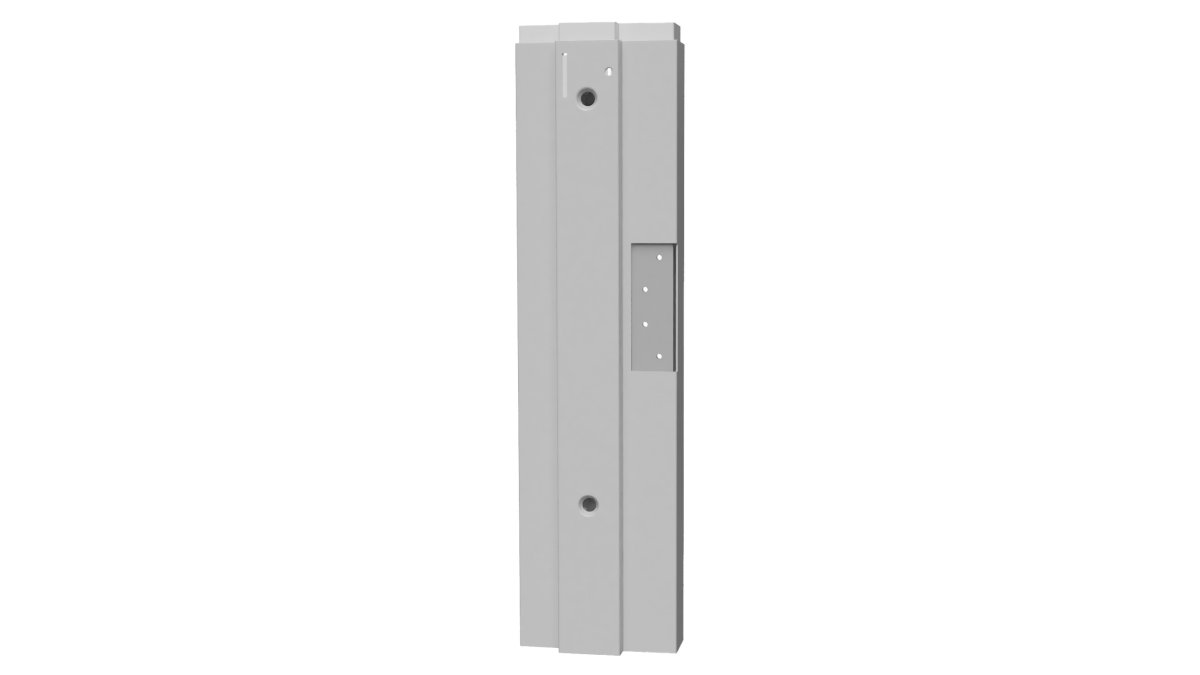
The key is knowing when a frame can be patched and when it needs to come out.

A Repeatable Structural Assessment Method
Most guides stop at "look for bad rust." That is not a decision. Use this four-check sequence before you spend a dollar on repair materials. It takes about ten minutes per opening and produces a yes/no answer on repairability.
Warning Signs That Mean Replace, Not Repair
If any of the following are true, stop and plan a replacement:
- Metal flexes or feels soft above the bottom hinge when you press it.
- Rust extends more than 8 inches up from the floor across the full face of the jamb
- Cracks are visible above the hinge reinforcement or around the strike plate
- The door sags, drags, or will not latch cleanly
- Section loss exceeds roughly 25 percent of original wall thickness at a load-bearing point
- The frame is out of plumb or out of square beyond 1/8 inch
What Is Still Repairable
If the frame passes all four checks, you are dealing with surface corrosion. That is the case the rest of this guide addresses: rust that has not reduced section thickness below the threshold, has not reached the hinge or strike reinforcement, and has not distorted the frame. Those frames can be cleaned, converted, filled, primed, and painted, or rebuilt at the base with a steel patch, and will return to full service.
Tools, Materials, and Safety Gear You'll Need
Gathering the right tools before you start saves a second trip to the hardware store. Here's what most repairs call for:
- Wire brush and abrasive sanding pads
- Grit sandpaper (start coarse, finish fine)
- Rust converter or neutralizer
- Metal primer, ideally zinc-rich and exterior grade
- Epoxy filler or body filler for pits and holes
- Degreaser and a clean solvent
- Topcoat paint matched to the frame
- Respirator, safety glasses, and gloves
How to Fix Rusted Bottom of Door Frame: Step-by-Step
Fixing the rusted bottom of a door frame comes down to six steps: clean, convert, fill, prime, paint, and protect. Skip any one of them and the rust comes back. Here's how each step works.
Removing Loose Rust, Paint, and Debris
Start by scraping away flaking paint and loose rust with a wire brush. Then hit the area with abrasive sanding until you reach bare, solid metal.
Applying Rust Converter and Priming
Brush on a rust converter and let it cure per the label. It turns remaining oxidation into a stable surface you can paint over.
Commercial Door Frame Repair Kits: When to Patch Instead of Replace
Commercial door frame repair kits let you rebuild a damaged jamb without tearing out the whole frame. That's the right call when rust is deep but the surrounding frame is still solid.
Kit |
Best For |
Price |
|---|---|---|
Jamb Patch Kit (4") |
First sign of rust |
$130.37 |
Strike Side Jamb Patch |
More than 2" of rust at the strike side |
$180.91 |
Hinge Jamb Patch (LH or RH) |
More than 2" of rust at the hinge side |
$180.91 |
Cost of Replacing Commercial Door Frames vs. Repair
Replacement almost always costs more than a patch, but "almost always" is not a budget. This section breaks the two paths into line items and gives you a decision rule based on damage severity, so you can defend the call to a property owner or a purchasing department.

What Drives the Cost of Each Path
A full frame replacement is not one line item. It is a chain of them:
- New frame, a knocked-down or welded steel frame sized to the opening
- Demolition and tear-out, cutting the old frame out of the wall
- Wall repair, patching drywall, masonry, or plaster where the old frame was anchored
- Paint and finish, matching the surrounding wall after patching
- Door rehang and hardware reset, hinges, closer, lockset, and alignment
- Downtime, the opening is out of service while crews work, which has its own cost in a busy facility
A patch repair collapses that list to:
- One repair kit or patch section sized to the damage
- Basic hand tools you likely already own
- Roughly an hour of labor per opening for a practiced crew
- No demolition, no wall repair, no rehang, the door stays hung and the opening stays usable the same day
A Decision Rule Based on Damage Severity
Rather than guess, match the damage to the path:
Damage profile |
Recommended path |
Why |
|---|---|---|
Surface rust under 8 inches at the base, frame passes the four structural checks |
Clean, convert, prime, paint |
Lowest cost, no material replacement |
Rust 8 inches or more at the base, frame still plumb and solid |
Steel patch kit at the affected jamb |
Rebuilds the section without tear-out |
Rust at the hinge or strike reinforcement, but frame still rigid |
Hinge- or strike-side patch, plus hardware inspection |
Restores the load path without replacing the frame |
Frame flexes, is out of plumb, or section loss exceeds ~25 percent |
Replace the frame |
A patch cannot restore lost stiffness or anchorage |
Fire-rated opening with any compromise to the listed assembly |
Replace, and verify the rating |
Patching a rated frame can void the assembly |
The Math That Matters at Portfolio Scale
The gap between the two paths is not a single-door decision, it is a portfolio decision. If a facility has 40 rusted openings and each one is a candidate for a patch instead of a replacement, the savings compound across every line item you avoid: tear-out, wall repair, paint, rehang, and downtime. Even a modest per-opening difference multiplied across 40 doors is the difference between a maintenance budget and a capital project.
When the Patch Is the Wrong Call
Do not let the cost gap push you into patching a frame that should be replaced. If the door already sags, if the frame flexes under load, or if rust has reached the hinge anchors, a patch covers surface damage but will not restore structural integrity. Those frames need replacement, and the cost of a failed patch, a dropped door, a failed inspection, a second mobilization, is higher than doing it right the first time.
Preventing Future Rust: Long-Term Maintenance Schedule
Prevention costs less than repair, every time. A simple maintenance schedule stops rust before it starts.
- Monthly: check the bottom of each frame for moisture and early corrosion
- Quarterly: clean frames and reapply a moisture barrier where needed
- Annually: inspect paint adhesion and touch up any chips
- After storms: dry wet frames and check for standing water
Frequently Asked Questions
Is a rusted steel door frame worth fixing or should it be replaced?
Repair is almost always worth it when rust affects less than 2 inches of the frame bottom. Products like the Jamb Patch Kit ($130.37) handle early-stage rust, while the Strike Side Jamb Patch ($180.91) covers deeper damage. Full replacement typically costs $1,800 or more per frame, while a patch kit plus a few hours of maintenance time costs a fraction of that. Replacement only makes sense when rust has compromised the structural integrity of the frame or spread across multiple sections.
Can you repair a rusted door frame without removing the door?
Yes. Most rusted steel door frames can be repaired with the door in place. The Jamb Patch system is designed for in-frame installation: you clean the rusted area, apply rust converter, then install the patch over the damaged section using the included hardware. The door stays hung, the frame stays anchored, and the repair follows a simple three-step installation process. Removing the door is only necessary if the frame itself has shifted or the hinge reinforcement has failed.
How do you prevent future rust on commercial steel door frames?
Start with a moisture barrier at the base of the frame to stop water from wicking up from the floor. Apply a zinc-rich primer to any bare metal, then topcoat with an exterior-grade paint. Check the frame bottom every six months for flaking paint or oxidation, and touch up any chips immediately. In facilities with frequent floor cleaning, switch to a pH-neutral cleaner to avoid accelerating corrosion on the steel surface.
What's the actual cost difference between repairing and replacing a commercial door frame?
A Jamb Patch Kit costs $130.37 and covers early rust on both sides of a frame. The Strike Side or Hinge Jamb Patch runs $180.91 per side. A full frame replacement typically starts around $1,800 for the frame, to remove the old frame, prep the opening, and install the new one. For a facility with 40 doors, repairing with patch kits instead of replacing frames can save tens of thousands of dollars while keeping door openings secure and code-compliant.
Rusted steel door frames don't have to mean a full replacement. With the right prep, a rust converter, and a quality patch, most frames can be restored in under an hour. Door Innovation's Jamb Patch kits give your crew a three-step fix that saves time and money while keeping every opening safe and secure. Order now and get your rusted frames back in service.