
TruDoor Alternatives for Facility Managers: 2026 Guide
Table of Contents
- Why Facility Managers Are Reconsidering TruDoor
- Repair Kits vs. Full Frame Replacement: A Cost Comparison
- Jamb Patch: A Direct TruDoor Alternative
- Hollow Metal Door Frame Rust Repair: Choosing the Right Kit
- Locksmith Door Frame Repair Methods for Commercial Settings
- NFPA 80 Door Inspection Requirements and Repair Compliance
- Total Cost of Ownership and Vendor Evaluation
- Conclusion: Making the Right Choice for Your Facility
- Frequently Asked Questions
Last Updated: September 6, 2026
Why Facility Managers Are Reconsidering TruDoor
Rusted hollow metal door frames are a persistent problem across commercial facilities, and many managers have been conditioned to reach for a full frame replacement as the only fix. The category of trudoor alternatives for facility managers has grown because replacement is rarely the most efficient path, especially when the damage is localized at the base of the frame where moisture collects.
The decision to replace versus repair carries significant consequences for facility budgets and operations. A full replacement requires coordinating demolition, welding or masonry work, repainting, and reinstallation of the door leaf and hardware. That process can take days per opening and often disrupts occupied spaces. Repair kits address the structural damage directly, preserving the existing frame while restoring its integrity. For facility managers weighing trudoor alternatives, the core question is whether a targeted repair can restore the frame to a condition that meets security and life safety standards.
The answer depends on the extent of the damage, the frame material, and the compliance requirements governing the opening. Below, we will walk through the cost comparison, the specific repair options available, and the compliance framework you need to navigate.
Repair Kits vs. Full Frame Replacement: A Cost Comparison
The financial argument for repair kits versus full replacement comes down to material, labor, and downtime. A full frame replacement involves the cost of the new hollow metal frame itself, plus the labor to remove the old frame, patch the surrounding wall or masonry, and repaint (fema.gov). When you factor in the need to protect the opening with temporary barriers and the coordination required with other trades, the total cost of a single replacement often runs several times higher than the price of a repair kit.
Repair kits like those from Door Innovation are designed to be installed by in-house maintenance staff or a local locksmith, eliminating the need for specialized welding or masonry contractors. The kits are engineered to reinforce the damaged section of the frame, restoring its structural capacity so that the door leaf, hinges, and locking hardware function as intended. For facilities managing dozens of compromised openings, the labor savings multiply quickly across each door.
| Approach | Material Cost | Labor Required | Downtime | Best For |
|---|---|---|---|---|
| Full Frame Replacement | High (new frame + finishing) | Specialized trades, days per opening | Extended, disrupts occupancy | Frames beyond repair, major structural damage |
| Jamb Patch Repair Kit | $130.37 per kit | In-house or locksmith, under an hour | Minimal, door usable same day | Early rust, less than 2" of damage |
| Strike or Hinge Jamb Patch | $180.91 per patch | In-house or locksmith, under an hour | Minimal, door usable same day | More than 2" of rust at frame base |
The pricing difference is only part of the story. The real savings come from avoiding the ripple effects of a full replacement: scheduling conflicts, debris removal, and the risk of damaging adjacent finishes during demolition. A repair approach keeps the existing frame in place, which preserves the original installation and avoids introducing new points of failure.

Jamb Patch: A Direct TruDoor Alternative
For facility managers evaluating trudoor alternatives, the Jamb Patch system from Door Innovation offers a direct and proven method for restoring rusted frames. The Jamb Patch Kit, priced at $130.37, includes two 4-inch tall, non-handed patches with installation hardware. This kit is intended for the first sign of rust or corrosion on steel door frames, addressing the problem before it spreads to the hinge or strike zones.
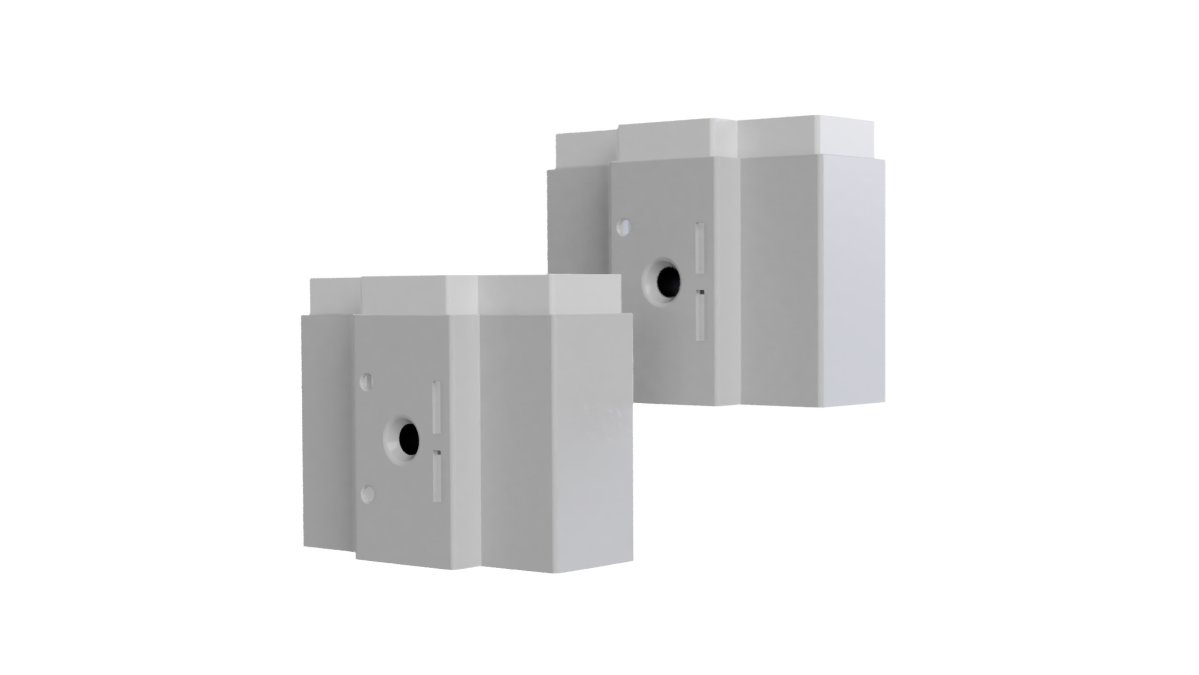
When corrosion extends beyond 2 inches up the frame, a standard patch kit is not sufficient. Door Innovation offers the Strike Side Jamb Patch and the Left and Right Hand Hinge Jamb Patches, each priced at $180.91. These taller, 21-5/8 inch patches include a 4-1/2 inch commercial hinge pocket for the hinge side, and they are designed to restore the full functional height of the frame. The kits are compatible with masonry frames from major US manufacturers.

The installation process is straightforward. The damaged section of the frame is cut away, the Jamb Patch is fitted over the remaining frame, and it is secured with the provided hardware. The result is a frame that meets the structural demands of a commercial opening without the expense of a full replacement. For a healthcare facility or a school where safety is non-negotiable, this approach restores the frame's integrity while preserving the existing door system.
Hollow Metal Door Frame Rust Repair: Choosing the Right Kit
Selecting the correct kit for hollow metal door frame rust repair requires a clear assessment of which side of the frame is compromised. Rust on the hinge side is the most critical because it directly affects the door's ability to stay securely mounted. A sagging hinge can lead to binding, misalignment, and premature wear on the locking mechanism. The Left Hand and Right Hand Hinge Jamb Patches are engineered for this scenario, each restoring the hinge pocket to its original commercial specification.
Rust on the strike side is a security concern. The strike plate holds the latch or deadbolt, and a compromised strike area can allow the door to be forced open. The Strike Side Jamb Patch is non-handed, meaning it works on either the left or right side of the opening, which simplifies inventory management for facilities with a mix of door configurations.
For early-stage rust that has not yet affected the hinge or strike hardware, the standard Jamb Patch Kit is the appropriate choice. It is a cost-effective measure that prevents minor corrosion from becoming a structural issue. Many facility managers make the mistake of waiting until the rust has visibly compromised the door's operation. By that point, the repair requires a taller patch and more labor. Regular inspection of door frames, especially in areas with high moisture or frequent washing, allows you to catch rust early and apply the simplest fix.
Locksmith Door Frame Repair Methods for Commercial Settings
Locksmiths are often the first professionals called when a door frame fails, and their approach to locksmith door frame repair methods has evolved significantly. Traditional methods involved cutting out the damaged section and welding in a new piece of steel, a process that requires specialized equipment, fire safety precautions, and significant skill. While welding remains a valid approach for some situations, it is not always practical in occupied buildings where hot work permits are required and fire watch protocols must be in place.
Modern mechanical repair methods offer a faster, cleaner alternative. The Jamb Patch system is installed with standard tools, eliminating the need for welding equipment and the associated safety requirements. This allows locksmiths to complete a frame repair in under an hour, restoring the opening to service the same day. For locksmiths, offering frame repair services expands their revenue stream beyond simple lock changes and rekeying. It positions them as a full-service provider for commercial door security.
The growing demand for these services is driven by facility managers who understand that replacing a frame is disruptive and costly. A locksmith who can offer a mechanical repair solution becomes a more valuable partner to their commercial clients. Door Innovation supports this expansion through a Become a Certified Installer program.
NFPA 80 Door Inspection Requirements and Repair Compliance
Fire door assemblies are critical components of a building's passive fire protection system, and they are subject to specific inspection and maintenance standards. The NFPA 80 door inspection requirements mandate that fire doors be inspected and tested at least annually, with the results documented and maintained for review by the authority having jurisdiction (nfpa.org). These inspections verify that the door, frame, hinges, and locking hardware are functional and free from damage that could compromise the assembly's fire rating.
A rusted or damaged door frame is a compliance issue. NFPA 80 requires that the frame be in sound condition to maintain the integrity of the fire-rated assembly. When rust compromises the hinges or the strike, the door may not latch properly, rendering the assembly non-compliant. Repairing the frame with a method that restores its structural integrity is a valid path to compliance, provided the repair does not reduce the fire rating of the assembly.
NFPA 80 Standard for Fire Doors and Other Opening Protectives provides the authoritative framework for these inspections. Facility managers should document all repairs and maintain those records alongside their annual inspection reports. Mechanical repairs that restore the frame to its original specification, such as the Jamb Patch system, are generally acceptable, but it is prudent to confirm the repair method with the authority having jurisdiction, particularly for openings that are part of a rated wall assembly. The goal is to keep the facility safe and compliant while avoiding the cost and disruption of a full replacement.

Total Cost of Ownership and Vendor Evaluation
Beyond the immediate cost of a repair or replacement, facility managers should evaluate the total cost of ownership over the life of the door system. This analysis includes the initial repair cost, the expected lifespan of the repair, the labor required for future maintenance, and the potential for energy loss through a poorly sealed opening. A repair that extends the life of a frame by 10 years, at a fraction of the cost of replacement, often delivers a superior return on investment.
When evaluating vendors for door frame repair solutions, consider the following criteria:
- Compatibility: Does the repair kit work with the specific frame brands and models in your facility?
- Installation requirements: Can your in-house staff or local locksmith install it, or does it require specialized contractors?
- Documentation: Does the manufacturer provide clear installation instructions and product specifications?
- Structural integrity: Is the repair method designed to restore the frame to its original structural capacity?
- Warranty and support: What level of technical support is available if you encounter issues?
For facilities with a mix of steel and aluminum frames, Door Innovation's product line addresses both materials. The Jamb Patch products are designed for rusted steel frames, while the Jamb Anchor catalogue covers solutions for corroded aluminum frames. Downloading the Door Innovation product catalogue is a practical first step in evaluating whether these kits match the specific door hardware in your building.
Conclusion: Making the Right Choice for Your Facility
The choice between a full frame replacement and a repair kit is ultimately a question of asset lifecycle management. Replacement is justified only when the frame has suffered structural damage beyond repair. In most cases, localized rust and corrosion can be effectively addressed with a mechanical repair kit, saving your facility significant time and money while keeping the opening safe and secure.
Door Innovation provides a professional, cost-effective alternative to full frame replacement. Our Jamb Patch kits are engineered for a simple three-step installation process, allowing your maintenance team or locksmith to restore a door opening in under an hour. The kits are compatible with frames from major US manufacturers, and our Become a Certified Installer program. We help you extend the life of your existing door systems, maintain compliance with NFPA 80, and keep your facility presentable and secure.
Frequently Asked Questions
Is TruDoor legit and how do alternatives compare?
Yes, TruDoor is a legitimate provider of door frame replacement systems. However, for facility managers, "legit" also means cost-effective and compliant. Alternatives like Jamb Patch from Door Innovation offer a repair-first approach that addresses localized rust and corrosion without full frame removal. This approach can save significant labor and material costs while maintaining the structural integrity and fire rating of the existing opening. The choice depends on the extent of the damage and your budget.
What are the most cost-effective alternatives to full door frame replacement?
The most cost-effective alternative is a specialized door frame repair kit. For example, the Jamb Patch Kit (4") costs $130.37 and addresses early rust, while hinge and strike-side patches cost $180.91 for more extensive damage. These kits are designed to restore the frame in place. This avoids the high cost of a new hollow metal frame, demolition, and reinstallation labor. For a facility with 40 doors, this can represent thousands of dollars in savings.
What are the NFPA 80 requirements for commercial door frame repairs?
NFPA 80 regulates the inspection and maintenance of fire door assemblies. It requires that any repairs maintain the fire-resistance rating of the assembly. Repairs must use materials and methods that restore the frame to its original condition. While NFPA 80 doesn't specify a single repair method, it mandates that the door assembly must be operable and self-latching. The Jamb Patch is designed to be compatible with frames from major US manufacturers, supporting compliance with these life safety codes.
Can rusted steel door frames be repaired without removing the door?
Yes, in many cases rusted steel frames can be repaired in place. Specialized repair kits, such as the Jamb Patch, allow technicians to cut away the damaged section and install a new steel patch. This process does not require removing the entire frame or the wall structure. It is a three-step process that can often be completed in under an hour. This method is a practical alternative to full replacement, minimizing facility downtime.
How do I evaluate the durability of commercial door frame repair products?
Evaluate durability by checking the material gauge, installation method, and manufacturer warranties. Look for steel patches that match the thickness of commercial hollow metal frames. The installation should be mechanical, using heavy-duty fasteners, to ensure a solid connection. Check if the product is compatible with frames from major manufacturers to ensure a proper fit.
The trudoor alternatives available today give facility managers control over their maintenance budgets without compromising on safety or compliance. Review the condition of your door frames, identify the openings that need attention, and get started with Door Innovation to restore your facility's entry points.