
Do Door Frame Repairs Require Permits? A Practical Guide
Last Updated: November 13, 2026
Quick Summary
Most minor door frame repairs do not need a permit, but adding or enlarging an opening, or altering structural framing, usually does. Permit rules are set locally, so confirm with your building department before starting. Cosmetic work, small patches, and hardware swaps are generally exempt.
- Repairs that keep the wall, header, and opening size unchanged are usually exempt.
- Cutting a new or larger opening typically triggers a permit and inspection.
- Altering load-bearing walls or headers requires a permit in most jurisdictions.
- Replacing a fire-rated frame may need fire marshal or building official review.
- Get any verbal exemption confirmed in writing before opening up the frame.
Table of Contents
- Why Door Frame Repairs Often Skip the Permit Process
- When a Permit Is Generally Required and When It Is Not
- Do I Need a Permit to Replace a Door?
- Do I Need a Permit to Add an Exterior Door?
- Commercial Hollow Metal Door Frame Repair Without Full Replacement
- Door Frame Repair vs Replacement: Choosing the Right Scope
- Confirming Your Local Requirements Before You Start Repair Work
- Frequently Asked Questions
Why Door Frame Repairs Often Skip the Permit Process
Most people never ask whether a door frame repairs need a permit. The work looks small, it happens inside an existing opening, and it often gets done without anyone calling the building department. That assumption usually holds for minor work, but it is worth checking before you start.
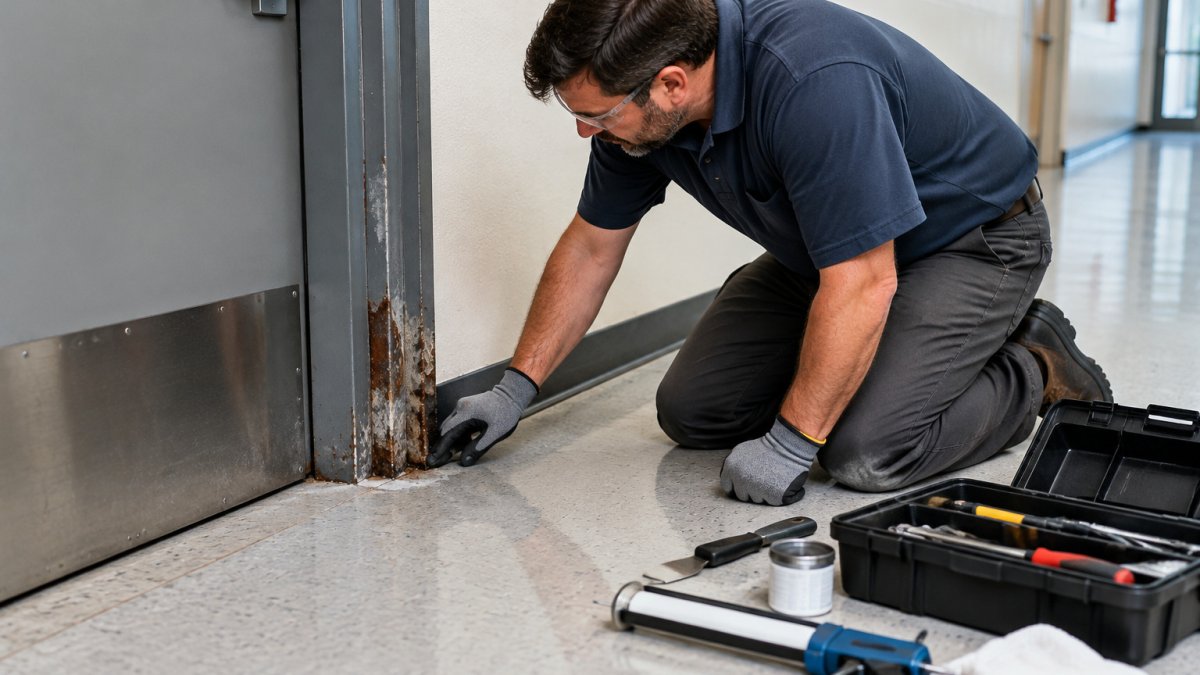
A rusted hollow metal frame can often be patched in an afternoon, and the question of paperwork is easy to overlook. Repairs of this kind are typically treated as maintenance rather than construction, which is why they tend to fly under the radar.
Here is what matters most: a repair to an existing frame is different from changing the opening itself. Patching damage keeps the door where it was. Moving, enlarging, or cutting a new opening is a different project and usually triggers a permit.
When a Permit Is Generally Required and When It Is Not
Permit rules are set locally, so there is no single answer that fits every building. Still, the general pattern is consistent across most jurisdictions, and the fastest way to apply it is to classify the repair by scope before you call anyone.
Sort the repair by scope first. Door-frame work falls into five rough buckets, and each one sits differently against permit thresholds:
- Surface cracks and cosmetic filling. Filling hairline cracks, patching paint, or sealing a frame leaves the opening, the wall, and the structure untouched. This is maintenance in most jurisdictions and rarely triggers a permit.
- Trim and casing replacement. Swapping interior casing or exterior trim around an existing frame is finish work. It does not change the opening, so it is usually exempt.
- Localized rot or corrosion repair. Patching a rusted or rotted section of an existing frame, including the bottom of a steel frame at the strike or hinge side, keeps the door where it was. Most building departments treat this as a repair, not construction.
- Jamb replacement. Replacing a jamb within the same rough opening is a closer call. Some jurisdictions treat it as repair; others want to see it because the door's fit and fire rating can be affected. Ask before you order the jamb.
- Structural framing or header work. Cutting into a header, altering a load-bearing wall, or rebuilding the framing around the opening is construction. Plan on a permit and an inspection.
A short decision sequence. Run these questions in order and stop at the first yes:
- Will the opening change size, move, or be cut new? If yes, expect a permit.
- Will any load-bearing wall, header, or structural framing be cut or altered? If yes, expect a permit.
- Will the door's required exit or egress path change? If yes, expect a permit.
- Is the door fire-rated and will the repair affect the rated assembly? If yes, confirm with the building official.
- Does the work stay inside the existing opening and leave the wall and structure alone? If yes, it is likely exempt, but confirm locally.
A permit is usually not needed for:
- Cosmetic work, such as painting or sealing a frame
- Patching small areas of rust or damage in an existing frame
- Swapping hardware like hinges, strikes, or locks
- Repairs that leave the wall, header, and opening size unchanged
A permit is more likely needed for:
- Enlarging or cutting a new door opening
- Moving a door to a different location on the wall
- Altering load-bearing walls, headers, or framing
- Changing required exits or the path of egress
Watch out: Replacing a frame that has lost structural support can involve the wall above it. If you see sagging, cracks spreading from the frame, or movement in the header, stop and have the building official review the job before you go further.
Do I Need a Permit to Replace a Door?
Usually, replacing a door in an existing opening does not require a permit. The new door fits the same frame and the same wall, so the building footprint stays the same.
The answer changes when the replacement involves more than a swap. Switching to a larger door, adding glazing to a solid door, or altering the surrounding framing can each bring permit requirements into play. Confirm with your local building department before you order a larger unit.
Do I Need a Permit to Add an Exterior Door?
Adding an exterior door almost always requires a permit. Cutting a new opening through an exterior wall affects weather sealing, structural support, and sometimes energy code compliance. Most jurisdictions treat that as new construction.
Building officials typically look at whether the wall is load-bearing, how the header will be supported, and whether the new door meets egress requirements. Because exterior doors affect the whole building envelope, plan on an inspection.
Commercial Hollow Metal Door Frame Repair Without Full Replacement
Many facility managers do not realize that a damaged commercial hollow metal frame can often be repaired instead of replaced. The repair is designed for commercial hollow metal frames, and it is designed to be installed by a DIY-minded maintenance person without calling a professional.
The Door Innovation Jamb Patch is made for the strike side and hinge side of a steel, rusted door frame. The Strike Side Jamb Patch is listed at $180.91 and is meant for frames with more than 2 inches of rust at the bottom. The Left Hand and Right Hand Hinge Jamb Patches are also listed at $180.91 each and follow the same usage guideline.
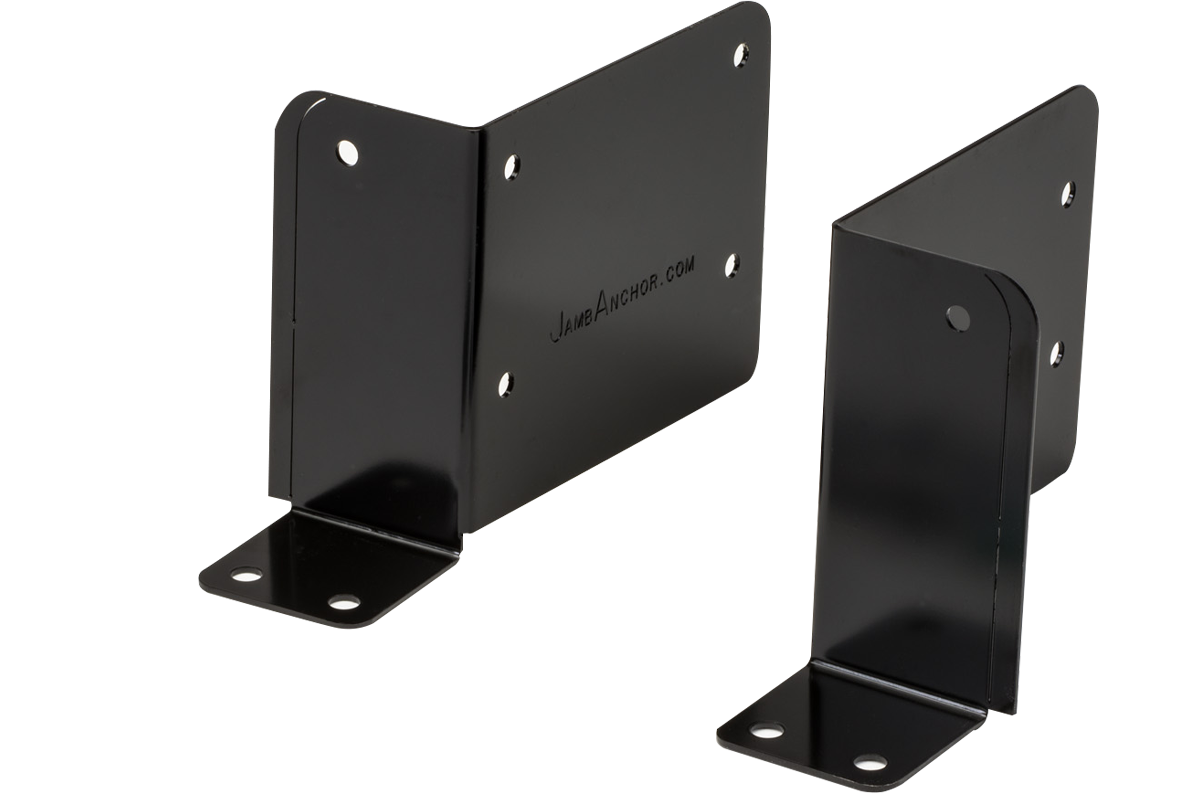
For loose frames, the Jamb Anchor Side Jamb Kit is priced at $119.00. It includes left and right hand anchors and the hardware needed to re-anchor aluminum door frames that have come loose from corrosion or impacts.
The installation is simple and repairs can be done quickly, but the Bondo needs time to cure. Plan your repair so the frame is not needed while the filler sets.
OSHA guidance on walking-working surfaces and building maintenance safety
Use installing door frame patches without contractors to see how facility staff can handle this repair in-house, and follow the door frame patch kit installation guide for the step-by-step process. A reader repairing the hinge or strike area can also check the jamb anchor side jamb kit, which is the matching patch for that job.
The repair kits and their listed prices for a commercial hollow metal frame are summarised below.
| Product | Listed price |
|---|---|
| Strike Side Jamb Patch | $180.91 |
| Left Hand Hinge Jamb Patch | $180.91 |
| Right Hand Hinge Jamb Patch | $180.91 |
| Jamb Anchor Side Jamb Kit | $119.00 |
Listed price
Door Frame Repair vs Replacement: Choosing the Right Scope
The right choice depends on how much of the frame is still sound. If the frame holds its shape and the damage is limited to corrosion at the bottom or loosening at the anchors, repair is usually the smaller project. Full replacement makes more sense when the frame is bent, cracked through, or no longer holds the door square.
Repair also avoids the larger work of removing the frame and reworking the opening, which can bring in more trades and more inspections. Keeping the existing frame keeps the scope narrow.
Compare the numbers before you decide. A repair kit at $119.00 to $180.91 plus labor is often a fraction of the cost of a full frame swap, though the exact figure depends on your facility and crew. For a deeper look at the cost difference, read about door frame replacement cost: repair vs. replace, and see the best alternative to full door replacement if you are weighing both options.
U.S. Department of Energy overview of building envelope and door performance
Confirming Your Local Requirements Before You Start Repair Work
Permit rules come from your city or county, and sometimes from the state. The ranking results stop at "call the building department." The practical version is to arrive with enough detail that the person on the phone can give you a real answer instead of a hedge.
What to bring to the conversation. Describe the work in plain terms and have these facts ready:
- The building type and occupancy (commercial, retail, warehouse, multifamily)
- The door's location and whether it is interior or exterior
- Whether the door is fire-rated and, if so, the rating on the frame label
- The scope in one sentence: patching corrosion at the bottom of a steel frame, replacing trim, replacing a jamb, or altering the opening
- Whether the wall is load-bearing and whether the header will be touched
- Photos of the damage and a photo of the frame label
Where to check the rules. Start with the municipal building department's website and look for the permit-required list, the exempt-work list, and any homeowner or maintenance-repair exemptions. Many departments publish a permit guide or a fee schedule as a PDF. If the building is in an unincorporated area, the county is the authority. Fire-rated door assemblies may also fall under the fire marshal, so confirm whether that office needs to review the repair.
Ask these questions:
- Does this repair require a permit for this building type?
- Are repairs to commercial hollow metal frames exempt?
- What documents, drawings, or photos do you need?
- Will an inspection be required, and at what stage?
- Is there a fee, and is it flat or based on job value?
What the process looks like if a permit is required. Most departments follow a similar sequence: submit an application with a scope description and any drawings, pay the fee, wait for review, then schedule inspections. Typical inspection points are the framing or rough-in stage before the opening is closed up, and a final inspection after the work is complete. Timelines vary widely by department workload, so ask for the current review window rather than assuming.
Write down the answers and the name of the person you spoke with, along with the date. That record protects you if questions come up later, and it gives your maintenance file a paper trail if the building changes hands or an inspector visits for another reason.
Watch out: A verbal "you're probably fine" is not the same as a written exemption. If the repair touches a fire-rated assembly or a required exit, get the answer in writing before the frame is opened up.
Door Innovation's repair kits give commercial facility teams a practical way to fix rusted or loose frames without a full replacement. Get started with Door Innovation's Jamb Patch and Jamb Anchor kits to restore your door openings with a simple three-step install.
Frequently Asked Questions
Do door frame repairs require a building permit?
Many door frame repairs do not require a building permit, especially cosmetic work or patching a frame in an existing opening without changing the wall. Permit rules are set locally, though, and they vary by city and county. Repairs that alter structural framing, headers, load-bearing walls, or required exits are more likely to need approval. Contact your local building department before starting work to confirm the requirement for your specific project and property type.
Can I repair a commercial hollow metal door frame without replacing it?
Yes. Commercial hollow metal frames can often be repaired in place when the damage is limited to the lower jamb or strike and hinge sides. Repair kits such as the Jamb Patch are designed for rusted steel frames, and the Jamb Anchor Side Jamb Kit is designed to re-anchor aluminum frames that have come loose. Repairs can be done quickly, though the Bondo filler needs time to cure before the frame is used.
Do I need a permit to add an exterior door?
Adding a new exterior door usually requires a permit because it creates a new opening in the building envelope and may alter wall structure, headers, and egress. Replacing a door within an existing opening is generally treated differently. Because requirements depend on your local building code and jurisdiction, check with your local building department before cutting or relocating any opening.
