
How to Extend the Life of Convenience Store Door Openings
Last Updated: November 21, 2026
Quick Summary
Extend the life of existing door openings by running a twice-yearly four-zone walk-through of every frame, hinge jamb, strike jamb, and door, then repairing local damage with a Jamb Patch or Jamb Anchor kit instead of a full tear-out. Keep water and salt off the frame base with a daily, monthly, and quarterly maintenance schedule.
- Press the bottom 6 inches of each jamb with a screwdriver to find deep rust.
- Use the Jamb Patch when more than 2 inches of rust shows at the frame base.
- The Jamb Anchor kit re-anchors loose aluminum frames instead of covering them.
- Replace, rather than patch, frames bent out of square or damaged full height.
- Plan repairs so the Bondo has time to cure before the opening returns to service.
Table of Contents
- Start With a Walk-Through Assessment of Every Door Opening
- Commercial Hollow Metal Door Frame Repair: What Is Actually Fixable
- When a Door Jamb Repair Kit Beats a Full Frame Tear-Out
- Door Frame Repair Versus Replacement: Making the Call
- Commercial Door Frame Maintenance That Prevents Repeat Failures
- Curing Time, Safety Checks, and Getting the Opening Back in Service
- Order the Right Repair Kit for Your Store's Door Openings
- Frequently Asked Questions
Start With a Walk-Through Assessment of Every Door Opening
A structured walk-through of every door opening, done twice a year, catches damage early enough to fix it cheaply and gives you a written record to compare against the next visit. At Door Innovation, we built our repair line around one fact: the frame usually fails long before the door does.
Do the assessment opening by opening, in the same order every time, so nothing gets skipped. For each opening, work through four zones: the frame base, the hinge jamb, the strike jamb, and the door itself. Note the opening number, the frame material (steel or aluminum), and what you find.
Zone 1, Frame base. Press the bottom 6 inches of the jamb with a screwdriver. Soft, flaking, or hollow-sounding metal means rust has gone deep. Look for bubbling paint, white salt bloom, and standing water at the floor line. Measure any rusted section vertically; the depth of rust drives whether a patch fits.
Zone 2, Hinge jamb. Open the door partway and watch the top hinge for sag. Try to tighten each hinge screw; a screw that spins without biting means the hole is stripped and the hinge is pulling out of the jamb. Check for cracks radiating from the hinge pockets.
Zone 3, Strike jamb. Close the door and confirm the latch catches without a shove. A loose strike plate lets the door rattle and the latch miss. Look for elongation of the strike screw holes and wear on the strike lip.
Zone 4, The door. A door that drags or sticks usually points to a frame out of square, not a bad door. Check the door for warping, delamination, and a closer that no longer pulls it shut on its own.
Record findings in a simple log with columns for opening number, zone, condition (good / monitor / repair), and date. A written record turns guesswork into a repair plan and shows whether a condition is stable or spreading between visits.
What to Check at the Frame, Hinge, and Strike Points
At the frame, press the base with a screwdriver and measure any rusted section; note whether it runs under 2 inches or over. At the hinges, open the door and watch for sag, then test every screw for bite. At the strike, check that the latch catches without a shove and that the strike screws hold tight. Flag any opening where damage runs the full height of the jamb or where the wall itself has moved, because those are outside what a patch can fix.
Commercial Hollow Metal Door Frame Repair: What Is Actually Fixable
Commercial hollow metal door frame repair fixes the frame, not the wall around it. The repair is limited to commercial hollow metal frames.
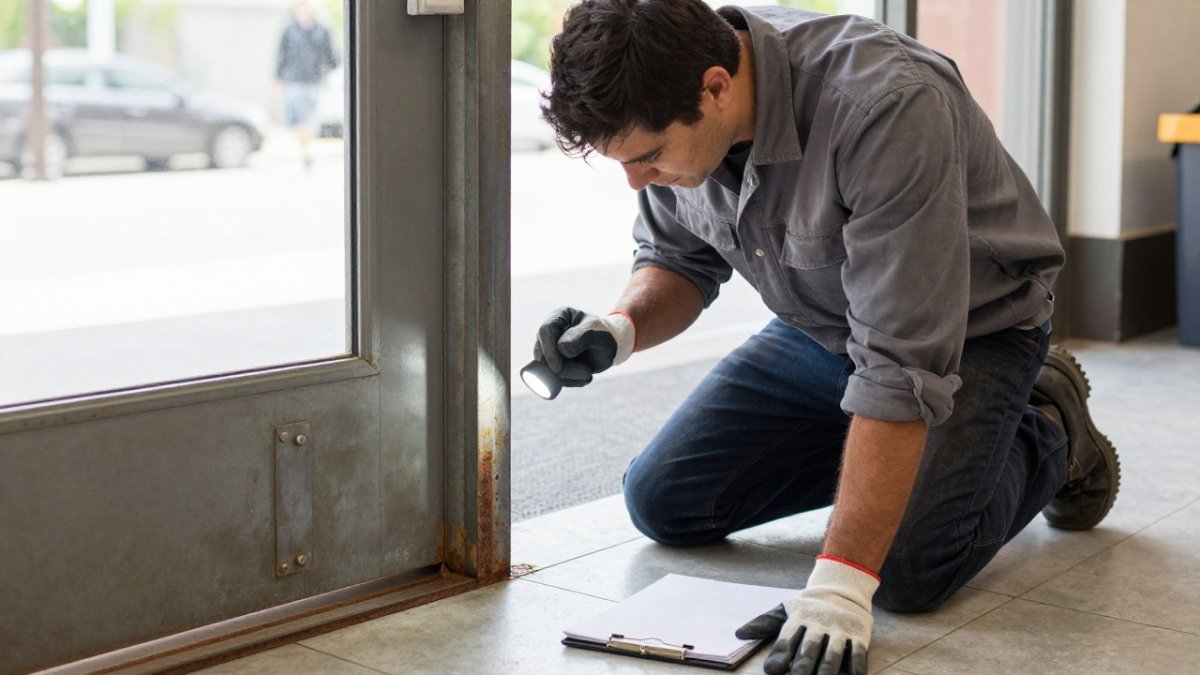
Rust at the bottom of a steel frame is the classic case. The Jamb Patch should be used when more than 2 inches of rust is evident at the bottom of the frame. Loose aluminum frames are the other common case, and the Jamb Anchor kit re-anchors frames that have come loose from salts, water, cleaning solutions, or repeated impacts.
What is not fixable this way: a frame bent out of square, a wall that has moved, or damage running the full height of the jamb. Those need a different conversation.
When a Door Jamb Repair Kit Beats a Full Frame Tear-Out
A door jamb repair kit wins whenever the damage is local. A full tear-out means cutting the frame out of the wall, patching the wall, and reinstalling. That takes a crew and shuts the opening down for a stretch.
The kit takes one person and a short window. The repair is quick, and the only slow part is waiting for the Bondo to cure.
Watch out: painting or patching over active rust without treating it first. The rust keeps eating the metal under the patch, and the repair fails early.
How the Jamb Patch and Jamb Anchor Kits Work
Both kits are designed to be installed by a DIY-minded installer and do not require a professional. The door frame patch kit installation guide walks through every step.
The Jamb Patch is a 21-5/8 inch tall, non-handed panel that covers the rusted section of a steel frame. One version fits the strike side, and left-hand and right-hand versions fit the hinge side with a 4-1/2 inch commercial hinge pocket. The non-handed design means it works on the left or right of the opening. It is protected by US Patent# 9,284,739 and fits many masonry frames from US manufacturers, including Steelcraft, Ceco, Curries, and Republic.
The Jamb Anchor kit comes with one left-hand and one right-hand anchor plus hardware. It re-anchors a loose aluminum frame instead of covering it.
Door Frame Repair Versus Replacement: Making the Call
Door frame repair versus replacement comes down to where the damage sits and how far it spreads. Use this to decide:
| What You See | Repair or Replace | Why |
|---|---|---|
| Rust under 2 inches at the base | Repair | Patch covers the section |
| Rust over 2 inches at the base | Repair with Jamb Patch | Built for this depth |
| Loose aluminum frame | Repair with Jamb Anchor | Re-anchors the frame |
| Frame bent out of square | Replace | Patch cannot true a bent frame |
| Wall movement or cracked masonry | Replace | The frame is not the problem |
| Damage full height of the jamb | Replace | Beyond patch coverage |
For a deeper decision framework, see our guide on door frame repair versus full replacement.
Commercial Door Frame Maintenance That Prevents Repeat Failures
Commercial door frame maintenance is mostly about keeping water and salt off the base of the frame. Most repeat failures start there, and a repeatable schedule is what keeps a repaired opening from failing again. Build the schedule around the store's actual traffic: a 24-hour entrance cycles far more than a backroom door, so it needs more frequent checks.
Daily, at shift change:
- Sweep and mop up standing water at entrances before it pools at the frame base.
- Rinse floor cleaner residue off the frame base after mopping.
- Pick up trash and debris that trap moisture against the jamb.
- Note any door that drags, sticks, or fails to latch.
Monthly:
- Check the frame base for rust, bubbling paint, and soft metal.
- Test every latch and strike plate for a clean catch.
- Look for gaps between frame and wall and for cracked masonry.
- Confirm closers pull doors shut on their own.
Quarterly:
- Tighten all hinge and strike screws; replace any screw that spins.
- Check anchors on aluminum frames for movement.
- Repaint any bare steel before rust starts.
- Keep carts from banging the frame on the way through and recheck frames near cart traffic.
Annually:
- Do the full four-zone walk-through assessment on every opening.
- Compare findings against last year's log to spot conditions that are spreading.
- Schedule any patch or anchor work for a slow window so cure time does not collide with a rush.
Track a few simple numbers alongside the checklist: service calls per opening, hours an opening was out of service, and the date and location of each repair.
A Simple Monthly and Quarterly Checklist
Use the monthly and quarterly lists above as the working checklist, and keep the written log from the walk-through assessment next to it. The log is what turns a checklist into a maintenance record: it shows which openings were flagged, what was done, and whether the same problem came back. Our door maintenance playbook for facility managers covers a full schedule for multi-door sites.
Curing Time, Safety Checks, and Getting the Opening Back in Service
Curing time is the one step you cannot rush. The Bondo has to set hard before the opening goes back into service. Plan the repair so the Bondo has time to cure before the opening goes back into service.
After the repair, run these safety checks:
- Open and close the door ten times and watch for drag
- Confirm the latch catches without a shove
- Check the door sits flush in the frame
- Make sure the closer pulls the door shut on its own
- Test the lock and any access control
Order the Right Repair Kit for Your Store's Door Openings
Match the kit to the damage. Rusted steel frame at the strike side calls for the strike side jamb patch. A loose aluminum frame calls for the jamb anchor side jamb kit. Hinge-side rust on a steel frame calls for the left-hand or right-hand hinge Jamb Patch.
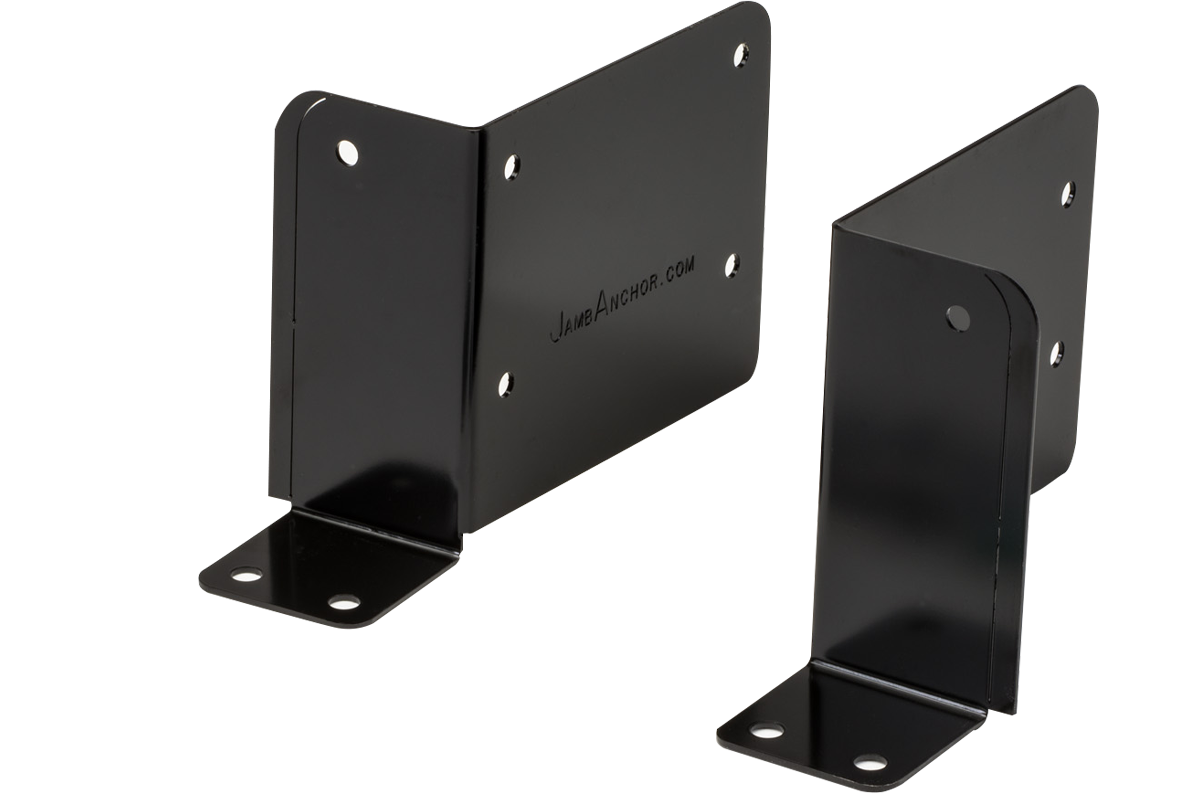
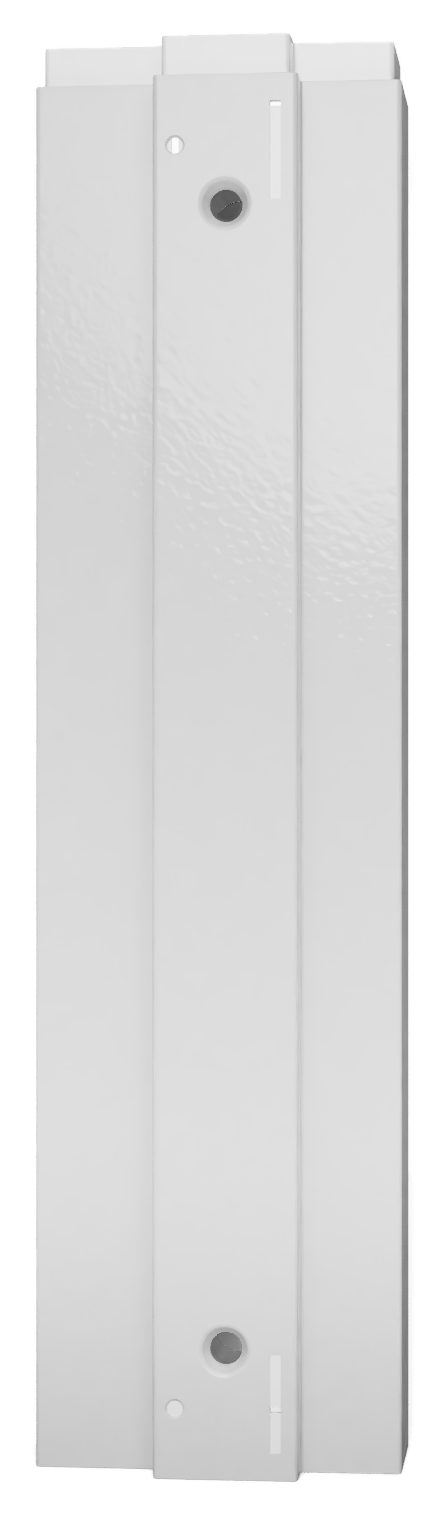
Our Jamb Patch kits cost $180.91 and the Jamb Anchor Side Jamb Kit costs $119.00. Both are designed to be installed by a DIY-minded installer without a professional. The only part that takes real time is waiting for the Bondo to cure.
Stop replacing frames that only need a patch. Door Innovation gives your team a patented repair kit, a simple three-step install, and a fix that adds years to the opening. Get started with Door Innovation and keep your store's doors safe, secure, and presentable.
Frequently Asked Questions
Can a damaged commercial hollow metal door frame be repaired instead of replaced?
Yes, in many cases. Rusted or corroded steel frames where the damage is concentrated at the bottom of the jamb can often be restored with a jamb patch rather than torn out. Aluminum frames that have come loose from salts, water, cleaning solutions, or repeated cart impacts can be re-anchored with a side jamb kit. The key is assessing the damage first: if more than 2 inches of rust is evident at the bottom of a steel frame, a patch is the appropriate fix. A frame that is damaged along its full height is outside what a patch covers.
Do I need a professional to install a door jamb repair kit?
No. Door Innovation's Jamb Patch is a patented product designed to be installed by someone with a DIY mindset. The kits include installation hardware and instructions, and follow a simple three-step installation process. The only part that takes real time is waiting for the Bondo to cure before you finish and return the opening to service.
How long does a hollow metal door frame repair take?
The hands-on installation is quick. Most of the elapsed time comes from letting the Bondo cure properly before sanding and painting. The repair itself is quick, so the time you need to plan around is mostly the cure time.
What causes rust and corrosion in commercial door frames?
The usual culprits are salts, water, cleaning solutions, and repeated impacts from equipment or shopping carts. In a convenience store, wet floors, spilled drinks, and frequent mop water sit against the bottom of the frame and start the corrosion process. Cart traffic knocks frames loose over time. Once the frame loosens, water gets behind it and the cycle speeds up. That is why routine inspection of the bottom 6 inches of every frame, plus the hinge and strike points, catches problems while a patch is still the right answer.
